Test and tag services are essential to maintaining electrical safety in the workplace. They involve inspecting and testing electrical equipment to ensure they are safe to use. But how often should you hire for test and tag services? This article will explore the recommended frequency for these services and the factors that can influence them.
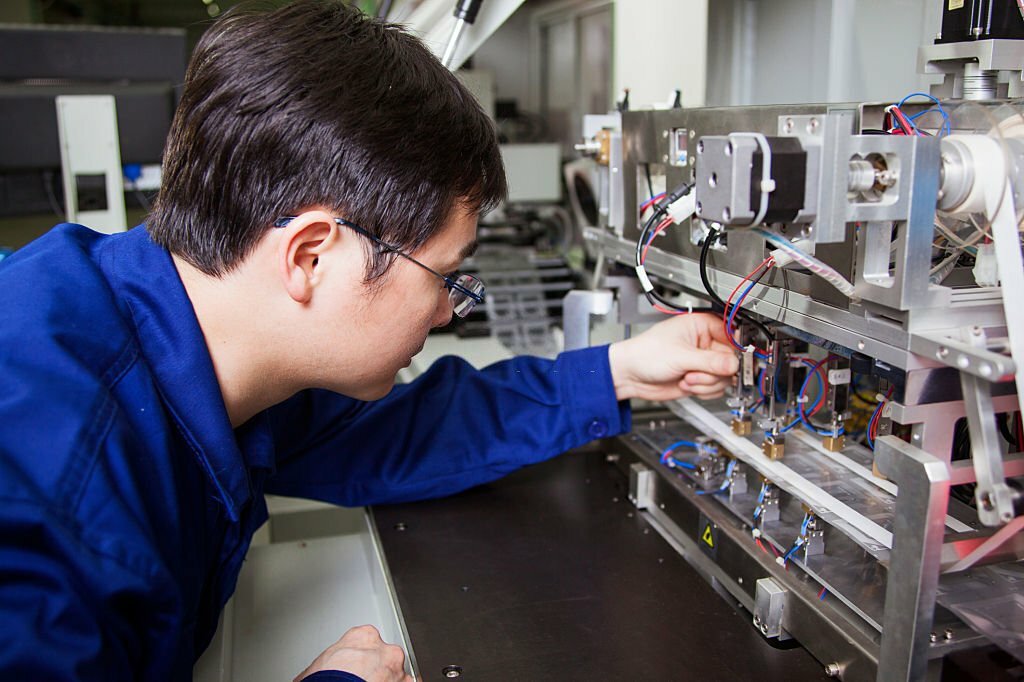
The frequency at which you should hire for test and tag services depends on several factors, including the type of equipment, its usage, and the environment in which it is used. As a general rule, it is recommended to have electrical equipment tested and tagged every 3 to 12 months.
The Australian Standard AS/NZS 3760:2010 provides guidelines for the in-service safety inspection and testing of electrical equipment. According to this standard, a risk assessment should determine the interval between inspections and testing. This assessment takes into account the following factors:
1. Type of equipment: Different types of electrical equipment have different risks. For example, portable appliances, such as power tools and extension cords, are more likely to be damaged due to frequent movement and usage. Therefore, they may require more frequent testing and tagging than fixed equipment, such as light fixtures and electrical panels.
2. Usage: The frequency of testing and tagging can also depend on how often the equipment is used. Equipment used frequently or in harsh conditions may be more prone to wear and tear, making it necessary to test and tag it more regularly. On the other hand, rarely used equipment may require testing less often.
3. Environment: The environment in which the equipment is used can also affect its safety. For example, equipment used in dusty or humid environments may deteriorate faster and require more frequent testing and tagging. Similarly, equipment used in high-risk industries, such as construction or manufacturing, may need to be tested more frequently to ensure the safety of workers.
It is important to note that these are general guidelines, and the specific requirements for testing and tagging may vary depending on your state or territory regulations. For example, some states in Australia require testing and tagging to be conducted every 6 months for certain types of equipment. Therefore, you must familiarize yourself with the regulations specific to your location.
Regular testing and tagging of electrical equipment have several benefits. It helps identify any faults or defects in the equipment that could pose a safety hazard. It also ensures compliance with workplace health and safety regulations and reduces the risk of electrical accidents, such as electric shocks or fires. Regular testing and tagging can also help extend the lifespan of electrical equipment by identifying and addressing any issues before they become major problems.
In conclusion, the frequency at which you should hire for test and tag services depends on several factors, including the type of equipment, its usage, and the environment in which it is used. As a general guideline, electrical equipment should be tested and tagged every 3 to 12 months. However, it is essential to conduct a risk assessment and familiarize yourself with the regulations specific to your location to determine the appropriate frequency for testing and tagging. Regular testing and tagging of electrical equipment are crucial for maintaining a safe working environment and ensuring the well-being of employees.